

Common Signs That Your Cabin Air Filter Needs Replacement
May 23,2026
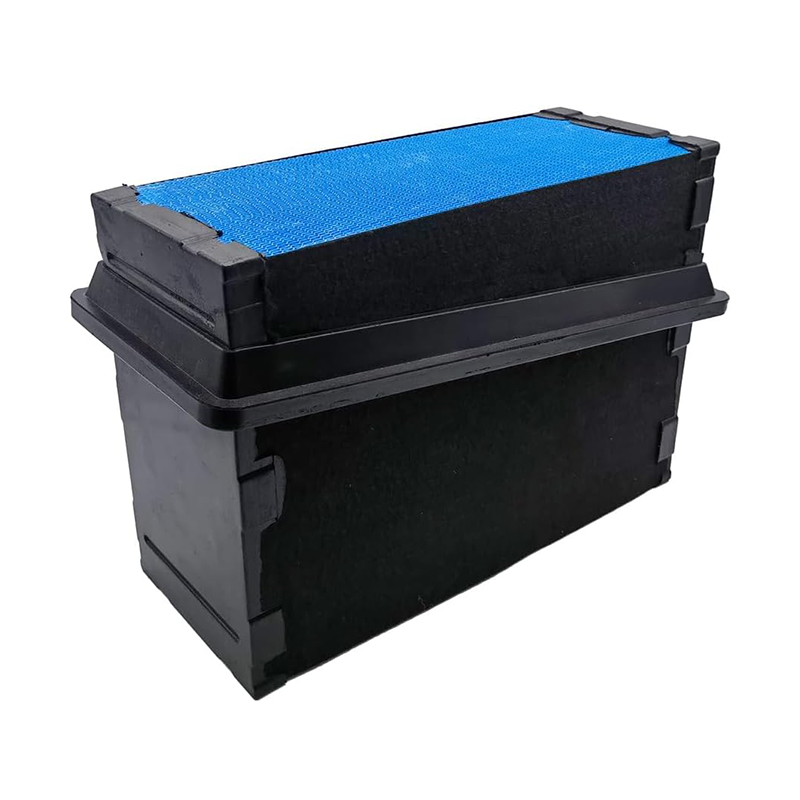
Common Signs That Your Cabin Air Filter Needs Replacement
Introduction to Cabin Air Filters
The cabin air filter plays a vital role in maintaining the quality of air inside your vehicle. It filters out dust, pollen, and other contaminants, ensuring that the air you breathe while driving is clean and healthy. Over time, however, this filter can become clogged and less effective. Recognizing the signs that indicate it’s time for a replacement can help you maintain a comfortable and safe environment in your car.
What is a Cabin Air Filter?
A cabin air filter is designed to trap airborne particles, including dust, pollen, and pollutants, preventing them from entering your vehicle's interior through the HVAC (heating, ventilation, and air conditioning) system. Located typically behind the glove compartment or under the dashboard, this filter helps improve air quality inside the vehicle.
Importance of Regular Cabin Air Filter Replacement
Regular replacement of your cabin air filter is essential for several reasons:
- **Improved Air Quality**: A clean filter allows for better airflow and reduces allergens in the cabin.
- **Enhanced HVAC Efficiency**: A clogged filter can strain your vehicle’s heating and cooling system, leading to higher energy consumption and potential system failures.
- **Better Visibility**: Clean air leads to less fogging on windows, improving visibility while driving.
Common Signs That Indicate Your Cabin Air Filter Needs Replacement
1. Decreased Airflow from the Vents
One of the most notable signs that your cabin air filter needs replacing is a noticeable decrease in airflow from the vents. If you find that the air is not coming out as forcefully as it used to, the filter may be clogged with dirt and debris. This blockage restricts airflow, making your HVAC system work harder than necessary.
2. Unpleasant Odors Inside the Vehicle
If you start noticing musty or unpleasant smells when using the air conditioning or heating system, it could be due to a dirty cabin air filter. This filter can trap moisture and allow mold and mildew to grow, leading to foul odors. Replacing the filter should eliminate these unwanted smells and improve the overall ambiance of your car.
3. Increased Dust Accumulation Inside the Cabin
If you find yourself constantly wiping dust off surfaces inside your vehicle, it might be time to check your cabin air filter. A properly functioning filter should prevent most dust and particulate matter from entering the cabin. If dust seems to be building up faster than usual, it indicates that the filter is no longer effective.
4. Frequent Allergic Reactions
If you or your passengers experience increased allergy symptoms, such as sneezing or respiratory issues, while driving, your cabin air filter could be a contributing factor. A dirty filter allows allergens to circulate in the air, aggravating conditions like asthma or hay fever. Replacing the filter can provide relief and create a healthier environment.
5. Reduced Efficiency of the HVAC System
A clogged cabin air filter can lead to a decrease in the efficiency of your vehicle’s heating and cooling system. If your air conditioning isn’t cooling effectively or your heater isn’t warming up as it should, the filter may be restricting airflow and impacting system performance.
How to Check and Replace Your Cabin Air Filter
Knowing how to check and replace your cabin air filter can save you time and money. Follow these simple steps:
1. **Locate the Cabin Air Filter**: Refer to your vehicle’s owner manual for the exact location, which is often behind the glove compartment or under the dashboard.
2. **Remove the Filter**: Carefully unclip or unscrew any fasteners holding the filter in place. Gently pull it out, taking care not to let any debris fall into the system.
3. **Inspect the Filter**: Check for signs of dirt, discoloration, or damage. If it appears clogged or dirty, it’s time for a replacement.
4. **Install a New Filter**: Place the new cabin air filter in the correct orientation (look for arrows indicating airflow direction) and secure it properly.
5. **Test the System**: Turn on your HVAC system to ensure proper airflow and that any unpleasant odors are gone.
When to Replace Your Cabin Air Filter
The frequency of cabin air filter replacement can vary based on several factors:
- **Driving Conditions**: If you often drive in urban areas with high pollution or on unpaved roads, you may need to replace the filter more frequently.
- **Manufacturer Recommendations**: Check your vehicle’s manual for recommended replacement intervals, often suggested every 12,000 to 15,000 miles.
- **Personal Sensitivity**: If you suffer from allergies or asthma, you may want to replace the filter more often to ensure optimal air quality.
Choosing the Right Cabin Air Filter
Selecting the right cabin air filter can significantly impact performance and air quality. Consider the following:
- **OEM vs. Aftermarket**: Original Equipment Manufacturer (OEM) filters are designed specifically for your vehicle, while aftermarket options may vary in quality.
- **Filter Type**: There are different filter types, including HEPA filters designed to capture smaller particles, or carbon-activated filters that help eliminate odors.
- **Brand Reputation**: Choose filters from reputable manufacturers known for quality and reliability.
Frequently Asked Questions (FAQs)
1. How often should I replace my cabin air filter?
It is generally recommended to replace your cabin air filter every 12,000 to 15,000 miles, but check your vehicle’s manual for specific guidelines.
2. Can I drive without a cabin air filter?
While technically possible, driving without a cabin air filter can lead to a buildup of dust and allergens inside your vehicle, negatively impacting air quality and HVAC efficiency.
3. What happens if I don’t replace my cabin air filter?
Failing to replace a clogged cabin air filter can lead to poor air quality, reduced airflow, increased strain on your HVAC system, and potential repairs down the line.
4. How do I know if my filter is clogged?
Signs of a clogged cabin air filter include decreased airflow from the vents, unpleasant odors, increased dust inside the cabin, and reduced HVAC efficiency.
5. Can a dirty cabin air filter affect my car’s performance?
Yes, a dirty cabin air filter can strain your HVAC system, leading to increased energy consumption and potential heating and cooling system failures.
Conclusion
Maintaining the health of your cabin air filter is essential for ensuring a clean and comfortable driving experience. By recognizing the common signs that indicate it’s time for a replacement, you can take proactive steps to improve your vehicle's air quality and HVAC efficiency. Regular checks and replacements can not only enhance your comfort but also contribute to the longevity and performance of your vehicle. Investing a little time into the maintenance of your cabin air filter can lead to significant benefits, ensuring that every ride is a breath of fresh air.
Previous:

Contact Us




LINXI COUNTY IXIN AUTO PARTS CO.,LTD. is located in Linxi County, Hebei province which is a big auto parts foundation of North China.
中企跨境-全域组件
制作前进入CSS配置样式
E-mail:
WhatsApp:
在线客服添加返回顶部
页面顺滑的滚动
启用全局默认滚动动画 (向上滚动)
右侧在线客服样式 1,2,3 1
图片alt标题设置: LINXI COUNTY IXIN AUTO PARTS CO.,LTD.
表单验证提示文本: Content cannot be empty!
循环体没有内容时: Sorry,no matching items were found.
CSS / JS 文件放置地