

The Ultimate Guide to Choosing the Right Cabin Air Filter for Your Vehicle
Mar 30,2026
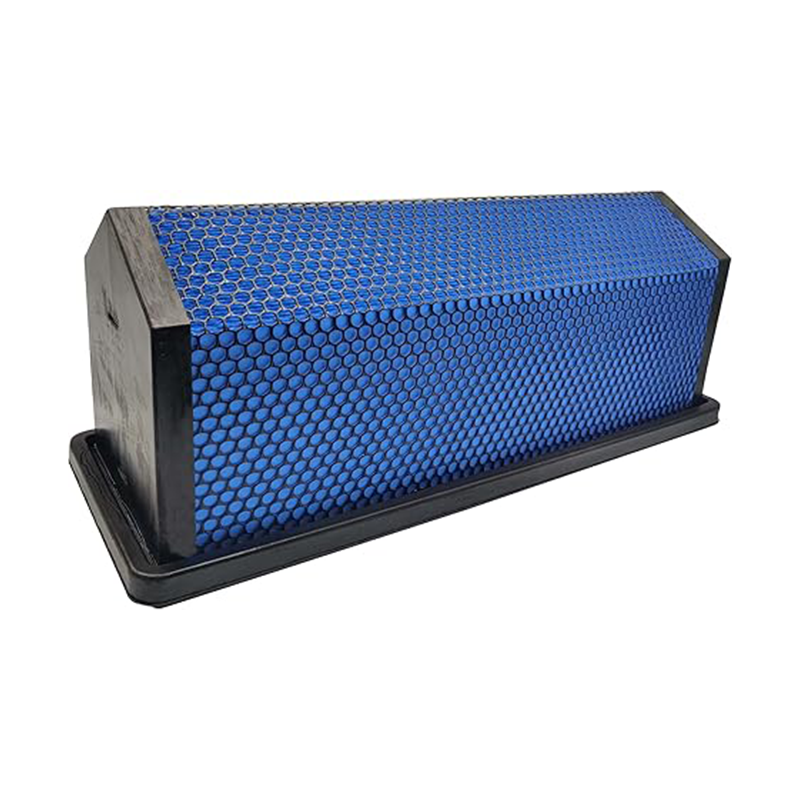
The Ultimate Guide to Choosing the Right Cabin Air Filter for Your Vehicle
Table of Contents
- 1. Introduction to Cabin Air Filters
- 2. Importance of Cabin Air Filters for Vehicle Health
- 3. Types of Cabin Air Filters
- 4. How Cabin Air Filters Work
- 5. Choosing the Right Cabin Air Filter
- 6. Signs You Need to Replace Your Cabin Air Filter
- 7. Benefits of Using a High-Quality Cabin Air Filter
- 8. Maintenance and Care for Cabin Air Filters
- 9. FAQs about Cabin Air Filters
- 10. Conclusion
1. Introduction to Cabin Air Filters
Cabin air filters play a critical role in maintaining the air quality inside your vehicle. Not only do they filter out dust, pollen, and other particles, but they also help to eliminate unpleasant odors, ensuring a pleasant driving experience. Understanding how to choose the right cabin air filter for your car can significantly impact your health and comfort on the road.
2. Importance of Cabin Air Filters for Vehicle Health
Having a quality cabin air filter is essential for several reasons:
- **Improves Air Quality**: Cabin air filters trap pollutants and allergens, improving the overall air quality within the vehicle.
- **Enhances HVAC Efficiency**: A clean cabin air filter allows the heating, ventilation, and air conditioning (HVAC) system to function more efficiently, resulting in better climate control.
- **Prevents Odors**: Regularly replacing your cabin air filter can reduce unpleasant odors that may arise from mold and mildew buildup.
Investing in a high-quality cabin air filter is not just about comfort; it's about ensuring a healthier environment for all passengers.
3. Types of Cabin Air Filters
When selecting a cabin air filter, it's crucial to understand the different types available. Each type has its own set of advantages:
3.1 Activated Carbon Cabin Air Filters
Activated carbon filters are particularly effective at absorbing odors and harmful gases, making them an excellent choice for urban driving conditions.
3.2 HEPA Cabin Air Filters
High-Efficiency Particulate Air (HEPA) filters are known for their ability to capture tiny particles, including pollen and dust. They are ideal for allergy sufferers or those living in areas with high pollen counts.
3.3 Standard Cabin Air Filters
These filters are made from a simple pleated paper material, providing basic protection against dust and larger particles.
4. How Cabin Air Filters Work
Cabin air filters are designed to trap pollutants and contaminants as air circulates through the vehicle's HVAC system. The process involves air intake, where outside air enters the cabin, and filtration, where particles get caught in the filter material. Over time, as the filter accumulates debris, it becomes less effective at filtering air, necessitating replacement.
5. Choosing the Right Cabin Air Filter
Selecting the most suitable cabin air filter depends on various factors, including:
5.1 Vehicle Make and Model
Always refer to your vehicle’s manual for recommendations on compatible cabin air filters. Each make and model may have specific requirements.
5.2 Filter Efficiency
Consider the filter's MERV rating (Minimum Efficiency Reporting Value). Higher MERV ratings indicate better filtration capabilities but also may restrict airflow. Finding the right balance is key.
5.3 Driving Conditions
If you frequently drive in urban areas with high pollution levels, an activated carbon or HEPA filter may be more beneficial. Alternatively, if you drive mostly in rural areas, a standard filter might suffice.
6. Signs You Need to Replace Your Cabin Air Filter
Recognizing when to replace your cabin air filter can save you from potential discomfort and health issues. Look out for these signs:
- **Reduced Airflow**: If you notice a significant decrease in airflow from the HVAC system, it may indicate a clogged filter.
- **Unpleasant Odors**: Foul smells emanating from the vents can signal that the filter is saturated with contaminants.
- **Increased Allergies**: Heightened allergy symptoms while driving may be a consequence of a dirty cabin filter.
Regular maintenance is essential to ensure optimal performance.
7. Benefits of Using a High-Quality Cabin Air Filter
Investing in a high-quality cabin air filter offers numerous benefits:
- **Enhanced Filtration**: Premium filters, such as HEPA and activated carbon, provide superior filtration, ensuring cleaner air for passengers.
- **Longevity**: High-quality cabin air filters often last longer than standard filters, providing better value over time.
- **Improved Comfort**: Cleaner air leads to a more pleasant driving experience, reducing fatigue and enhancing overall comfort.
By prioritizing quality, you not only improve your vehicle's air quality but also invest in your health.
8. Maintenance and Care for Cabin Air Filters
Proper maintenance extends the lifespan and effectiveness of your cabin air filter. Follow these tips:
8.1 Regular Inspections
Check your cabin air filter every 12,000 to 15,000 miles, or as recommended by your vehicle's manufacturer. Look for signs of wear or clogging.
8.2 Timely Replacements
Replace your cabin air filter at least once a year or more frequently if you drive in heavily polluted areas.
8.3 Cleanliness
Avoid leaving windows down during dusty conditions to minimize the amount of dirt entering the vehicle and affecting the filter's performance.
Maintaining your cabin air filter not only improves air quality but also contributes to the efficiency of your vehicle's HVAC system.
9. FAQs about Cabin Air Filters
What is a cabin air filter?
A cabin air filter cleans the air that enters your vehicle's interior, trapping dust, pollen, and other pollutants.
How often should I replace my cabin air filter?
It's recommended to replace your cabin air filter every 12,000 to 15,000 miles, but refer to your vehicle’s manual for specific guidelines.
Can I clean my cabin air filter instead of replacing it?
While some filters are washable, most are designed for single-use. Check your filter’s specifications before attempting to clean it.
Do all vehicles have cabin air filters?
Not all vehicles are equipped with cabin air filters. Check your vehicle’s manual to confirm if it has one.
What are the signs of a clogged cabin air filter?
Indicators of a clogged filter include reduced airflow, unpleasant odors, and increased allergy symptoms while driving.
10. Conclusion
Choosing the right cabin air filter is essential for maintaining a healthy and comfortable driving environment. By understanding the types of filters available, recognizing the signs that indicate the need for replacement, and prioritizing quality, you can ensure that the air inside your vehicle remains clean and safe. Regular maintenance and timely replacements further enhance the performance of your cabin air filter, making your driving experience more enjoyable. Invest in your health and comfort by making informed decisions about your cabin air filter today.
Previous:

Contact Us




LINXI COUNTY IXIN AUTO PARTS CO.,LTD. is located in Linxi County, Hebei province which is a big auto parts foundation of North China.
中企跨境-全域组件
制作前进入CSS配置样式
E-mail:
WhatsApp:
在线客服添加返回顶部
页面顺滑的滚动
启用全局默认滚动动画 (向上滚动)
右侧在线客服样式 1,2,3 1
图片alt标题设置: LINXI COUNTY IXIN AUTO PARTS CO.,LTD.
表单验证提示文本: Content cannot be empty!
循环体没有内容时: Sorry,no matching items were found.
CSS / JS 文件放置地