

Why Every Car Owner Should Understand Fuel Water Separator Filter Kits
Jun 10,2026
Why Every Car Owner Should Understand Fuel Water Separator Filter Kits
Table of Contents
- Understanding Fuel Water Separator Filter Kits
- The Importance of Fuel Water Separation
- Common Issues Caused by Water in Fuel
- Components of Fuel Water Separator Filter Kits
- How Fuel Water Separator Filter Kits Work
- Installation and Replacement Guide
- Maintenance Tips for Fuel Water Separator Filters
- Conclusion
- FAQs
Understanding Fuel Water Separator Filter Kits
Fuel water separator filter kits are specifically designed to remove water from diesel and gasoline fuel before it enters the engine. These kits play a vital role in ensuring that your vehicle operates smoothly and efficiently. They are particularly important for diesel engines, which are more susceptible to water contamination in fuel due to the presence of biodiesel blends. Understanding how these kits work can significantly impact your vehicle's performance and longevity.
The Importance of Fuel Water Separation
Water contamination in fuel can lead to numerous problems that affect the overall health of your vehicle. Here are some key reasons why fuel water separation is essential:
1. Prevent Engine Damage
Water in fuel can cause severe engine damage over time. Water does not combust like fuel; instead, it can lead to rust and corrosion in the fuel system, injectors, and combustion chamber. By using a fuel water separator, you can prevent costly repairs and maintain engine integrity.
2. Enhance Fuel Efficiency
Water contamination can disrupt the combustion process, leading to inefficient fuel usage. When your engine has to work harder due to poor fuel quality, it consumes more fuel, thereby reducing fuel efficiency. A fuel water separator ensures cleaner fuel, promoting better combustion and improved fuel economy.
3. Improve Performance
With clean fuel free from water, your engine can perform at its best. Water can cause misfires and stalling, leading to a frustrating driving experience. Keeping your fuel system clean helps maintain optimal performance and responsiveness.
Common Issues Caused by Water in Fuel
Car owners should be aware of the potential issues that arise from water contamination in fuel. Here are some common problems:
1. Fuel System Corrosion
When water mixes with fuel, it can lead to corrosion of metal components in the fuel system. This can result in leaks, rust formation, and eventual failure of critical parts.
2. Clogged Fuel Filters
Water can cause fuel filters to clog more quickly. Clogged filters restrict fuel flow to the engine, leading to reduced performance and potential stalling.
3. Injector Damage
Fuel injectors are highly sensitive components. Water can cause them to malfunction, leading to uneven fuel delivery and poor engine performance.
4. Microbial Growth
Water creates a conducive environment for microbial growth, particularly when mixed with biodiesel. This can lead to sludge formation, which can block fuel lines and filters.
Components of Fuel Water Separator Filter Kits
A typical fuel water separator filter kit consists of several essential components:
1. Separator Housing
The separator housing is the main body of the kit, where the separation of water from fuel occurs. It is designed to withstand high pressure and temperature.
2. Filter Element
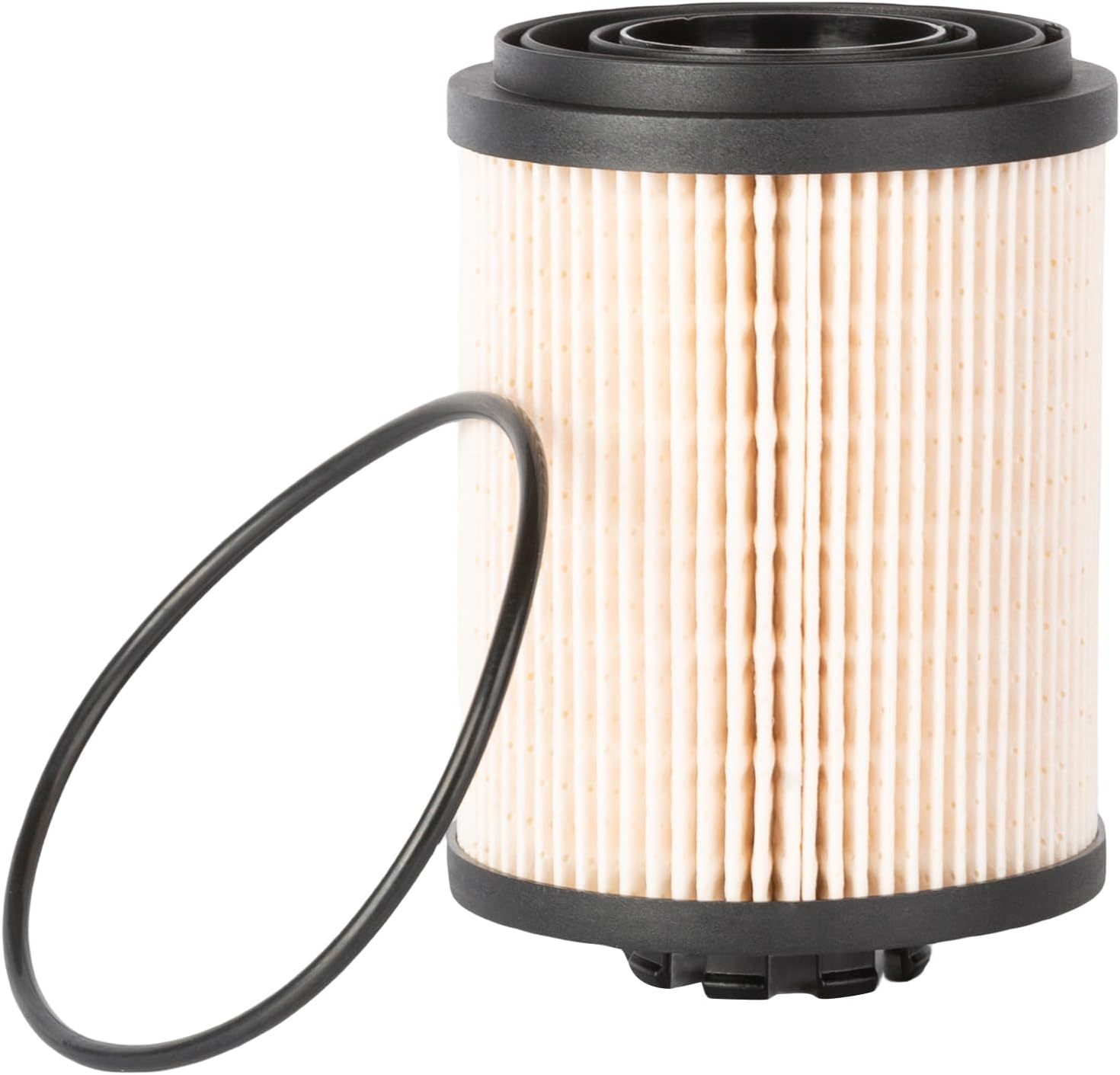
The filter element captures impurities and contaminants, including water. Depending on the kit, some filter elements are replaceable, while others are disposable.
3. Drain Valve
The drain valve allows you to remove accumulated water from the separator housing. Regular drainage is crucial to prevent the buildup of water and ensure optimal performance.
4. Mounting Brackets
Mounting brackets are included with most kits to secure the separator housing in place. Proper installation is essential for the effective operation of the kit.
How Fuel Water Separator Filter Kits Work
Understanding how fuel water separator filter kits work can help you appreciate their importance. The process can be broken down into several key steps:
1. Fuel Entry
Fuel enters the separator housing through the inlet. As it flows into the housing, it begins to separate from water due to differences in density.
2. Separation Process
Within the housing, the fuel is given time to settle. The denser water sinks to the bottom, while the lighter fuel rises to the top. This process ensures that the majority of water is removed before reaching the engine.
3. Filtration
The fuel then passes through the filter element, which captures any remaining particulates and impurities. This step is critical in ensuring that only clean fuel reaches the engine.
4. Clean Fuel Exit
Finally, the clean fuel exits through the outlet and is sent to the engine. The accumulated water can be drained from the bottom of the separator housing through the drain valve.
Installation and Replacement Guide
Installing a fuel water separator filter kit may seem daunting, but with the right steps, it can be a straightforward process. Here’s a guide to help you through it:
Step 1: Gather Necessary Tools
Before starting, gather all necessary tools, including a wrench, screwdrivers, and a container for draining water. Having everything on hand will streamline the installation process.
Step 2: Locate the Installation Area
Choose an accessible location in your vehicle for the separator housing. This area should be close to the fuel tank and away from high-heat components.
Step 3: Install the Mounting Bracket
Secure the mounting bracket to the chosen area using appropriate fasteners. Ensure that it is stable and can withstand vibrations.
Step 4: Attach the Separator Housing
Mount the separator housing onto the bracket. Make sure it is tightly secured to prevent any leaks.
Step 5: Connect Fuel Lines
Attach the inlet and outlet fuel lines to the separator housing. Ensure that the connections are tight and leak-free.
Step 6: Test for Leaks
After installation, turn on the fuel system and inspect for leaks. Address any leaks before operating the vehicle.
Maintenance Tips for Fuel Water Separator Filters
To ensure your fuel water separator filter kit operates effectively, regular maintenance is essential. Here are some maintenance tips to consider:
1. Regularly Check and Drain Water
Depending on your driving conditions, check the separator for water accumulation regularly. If water is present, drain it immediately to avoid contamination.
2. Replace Filter Elements
Follow the manufacturer’s recommendations for replacing filter elements. A clogged filter can impede fuel flow, leading to performance issues.
3. Inspect for Damage
Regularly inspect the separator housing and components for any signs of wear or damage. Promptly replace any faulty parts to maintain optimal performance.
4. Keep Fuel System Clean
Using high-quality fuel can help minimize contaminants. Regularly clean the entire fuel system to prevent sludge buildup.
Conclusion
Understanding fuel water separator filter kits is crucial for every car owner. These kits play a vital role in protecting your vehicle from the detrimental effects of water contamination in fuel. By preventing corrosion, enhancing fuel efficiency, and improving overall performance, they contribute significantly to the longevity of your engine. Regular maintenance and timely replacement of components will ensure that your fuel water separator filter kit works efficiently, keeping your vehicle in optimal condition.
FAQs
1. What is a fuel water separator filter kit?
A fuel water separator filter kit is a device designed to remove water and impurities from fuel before it enters the engine, preventing damage and ensuring optimal performance.
2. How often should I drain water from the separator?
It is advisable to check and drain water from the separator regularly, particularly after driving in conditions that may lead to water accumulation, such as heavy rain or flooding.
3. Can I install a fuel water separator filter kit myself?
Yes, installing a fuel water separator filter kit can be done as a DIY project if you follow the proper installation steps. Ensure you have the necessary tools and knowledge before starting.
4. What happens if I don’t use a fuel water separator filter kit?
Not using a fuel water separator can lead to serious engine problems, including corrosion, injector damage, and reduced fuel efficiency, ultimately resulting in costly repairs.
5. Are all fuel water separator filter kits the same?
No, fuel water separator filter kits vary in design and specifications. It’s essential to choose a kit that is compatible with your vehicle and meets its specific needs.

Contact Us




LINXI COUNTY IXIN AUTO PARTS CO.,LTD. is located in Linxi County, Hebei province which is a big auto parts foundation of North China.
中企跨境-全域组件
制作前进入CSS配置样式
E-mail:
WhatsApp:
在线客服添加返回顶部
页面顺滑的滚动
启用全局默认滚动动画 (向上滚动)
右侧在线客服样式 1,2,3 1
图片alt标题设置: LINXI COUNTY IXIN AUTO PARTS CO.,LTD.
表单验证提示文本: Content cannot be empty!
循环体没有内容时: Sorry,no matching items were found.
CSS / JS 文件放置地