

Top Benefits of Regularly Replacing Your Cabin Air Filter
Sep 08,2026
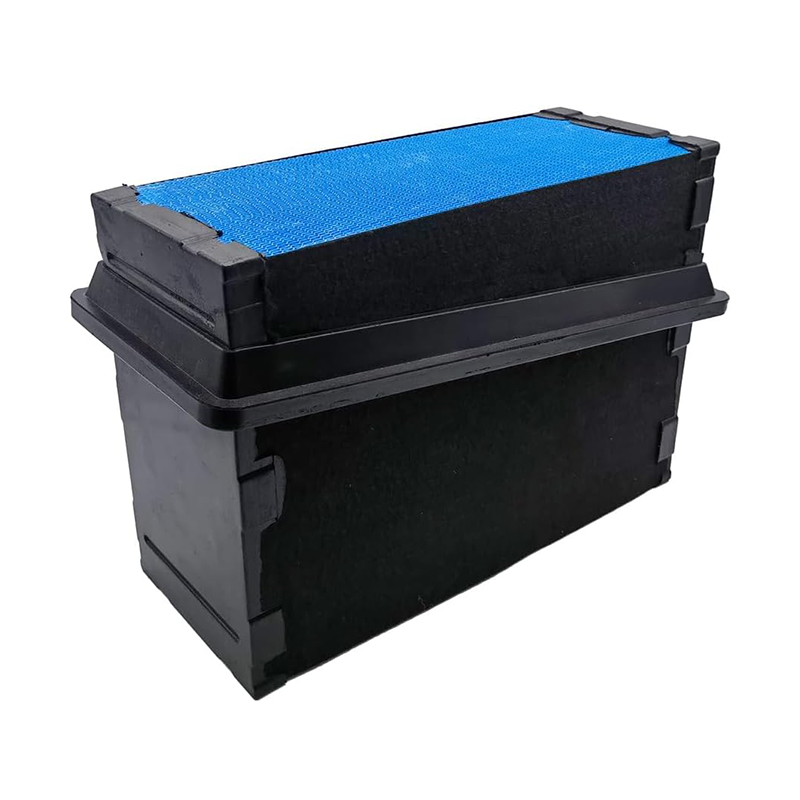
Top Benefits of Regularly Replacing Your Cabin Air Filter
Introduction to Cabin Air Filters
In today's modern vehicles, **cabin air filters** play a critical role in ensuring that the air we breathe inside our cars is clean and free from pollutants. These filters are designed to trap dust, pollen, and other airborne particles, allowing only fresh air into the cabin. However, like any other filter, they need to be replaced regularly to maintain their effectiveness. In this article, we will explore the top benefits of regularly replacing your cabin air filter, along with tips on how to do it effectively.
Understanding the Cabin Air Filter’s Role
Cabin air filters are essential components that serve several key functions:
1. Enhancing Air Quality Inside Your Vehicle
One of the primary benefits of a clean cabin air filter is the **improvement of air quality** within the vehicle. Over time, filters accumulate dust, pollen, and other harmful particles that can compromise the air you breathe. Regular replacement ensures that these contaminants are effectively filtered out, leading to a fresher and cleaner environment during your drives.
2. Protecting HVAC System Efficiency
A clogged cabin air filter can impede the performance of your vehicle's **heating, ventilation, and air conditioning (HVAC)** system. When air cannot flow freely through a dirty filter, the HVAC system has to work harder, leading to increased energy consumption and potential overheating. By replacing the cabin air filter routinely, you help maintain optimal airflow, allowing the HVAC system to function more efficiently.
The Health Benefits of a Clean Cabin Air Filter
The benefits of a regularly replaced cabin air filter extend beyond just your vehicle's performance; they also significantly impact your health.
1. Reducing Allergens and Irritants
For individuals with allergies or respiratory issues, a clean cabin air filter can make a world of difference. By filtering out pollen, mold spores, and dust mites, the cabin air filter helps to **reduce allergens and irritants**, creating a more comfortable atmosphere for passengers.
2. Minimizing Unpleasant Odors
Over time, cabin air filters can accumulate odors from various sources, including food, smoke, and moisture. A fresh filter helps eliminate these unwanted smells, ensuring that your vehicle's interior remains pleasant and inviting.
Cost Savings with Regular Maintenance
While some car owners may overlook the cabin air filter's importance, neglecting it can lead to more significant expenses down the line.
1. Preventing HVAC System Repairs
As mentioned earlier, a clogged cabin air filter can lead to HVAC system inefficiencies. When the system is under stress due to a dirty filter, it can result in mechanical failures that require costly repairs. Regular replacement of the cabin air filter can help prevent these issues, saving you money in the long run.
2. Improving Fuel Efficiency
A well-functioning HVAC system not only improves comfort but can also enhance **fuel efficiency**. When filters are clean and airflow is unobstructed, the engine operates more efficiently, leading to potential savings on fuel costs.
How Often Should You Replace Your Cabin Air Filter?
Understanding the recommended replacement interval for your cabin air filter helps ensure you are maintaining your vehicle's air quality effectively.
1. Manufacturer Recommendations
Most vehicle manufacturers suggest replacing the cabin air filter every **12,000 to 15,000 miles** or once a year, depending on driving conditions. However, if you frequently drive in dusty environments or heavy traffic, more frequent replacements may be necessary.
2. Signs that Indicate Replacement
It's essential to be aware of signs that indicate it’s time to replace your cabin air filter. These may include reduced airflow from the HVAC system, persistent odors, or allergens becoming more noticeable inside the vehicle.
Steps to Replace Your Cabin Air Filter
Replacing your cabin air filter is a straightforward process that you can often do yourself.
1. Gather Necessary Tools
Before you begin, gather the tools you need. Typically, you will need a screwdriver, your vehicle’s owner manual, and, of course, a new cabin air filter.
2. Locate the Cabin Air Filter
Refer to your owner manual to find the location of the cabin air filter. Common locations include behind the glove compartment or under the dashboard.
3. Remove the Old Filter
Carefully remove the old filter, taking note of how it is positioned for easy installation of the new one.
4. Install the New Filter
Insert the new filter in the same orientation as the old one. Ensure it's securely in place and check for any debris around the area before closing everything back up.
5. Dispose of the Old Filter
Dispose of the old filter properly. While it may be tempting to throw it in the trash, consider recycling if possible to reduce environmental waste.
FAQs About Cabin Air Filters
1. What happens if I don’t change my cabin air filter?
Neglecting to change your cabin air filter can lead to poor air quality, reduced HVAC efficiency, and potential health issues due to allergens and pollutants.
2. Can I clean my cabin air filter instead of replacing it?
While some filters may be washable, most are not designed for cleaning. It’s generally best to replace the filter with a new one to ensure optimal performance.
3. Are aftermarket cabin air filters as good as OEM filters?
Aftermarket cabin air filters can be just as effective as OEM filters if they meet the same specifications. Research brands and read reviews to ensure quality.
4. How can I tell if my cabin air filter is dirty?
Signs that your cabin air filter is dirty include reduced airflow from the vents, bad odors, and increased allergens in the cabin.
5. Is it worth replacing the cabin air filter frequently?
Yes, frequently replacing your cabin air filter is worth it as it ensures good air quality, maintains HVAC efficiency, and can save you money on repairs and fuel.
Conclusion
Regularly replacing your cabin air filter is a simple yet vital maintenance task that offers numerous benefits. From enhancing air quality and protecting your HVAC system to providing health benefits and saving costs, the advantages are clear. By understanding how to maintain your vehicle’s cabin air filter, you not only improve your driving experience but also contribute to a healthier environment within your car. Make it a habit to check and replace your cabin air filter regularly, ensuring that every drive is as safe and comfortable as possible.
Previous:

Contact Us




LINXI COUNTY IXIN AUTO PARTS CO.,LTD. is located in Linxi County, Hebei province which is a big auto parts foundation of North China.
中企跨境-全域组件
制作前进入CSS配置样式
E-mail:
WhatsApp:
在线客服添加返回顶部
页面顺滑的滚动
启用全局默认滚动动画 (向上滚动)
右侧在线客服样式 1,2,3 1
图片alt标题设置: LINXI COUNTY IXIN AUTO PARTS CO.,LTD.
表单验证提示文本: Content cannot be empty!
循环体没有内容时: Sorry,no matching items were found.
CSS / JS 文件放置地